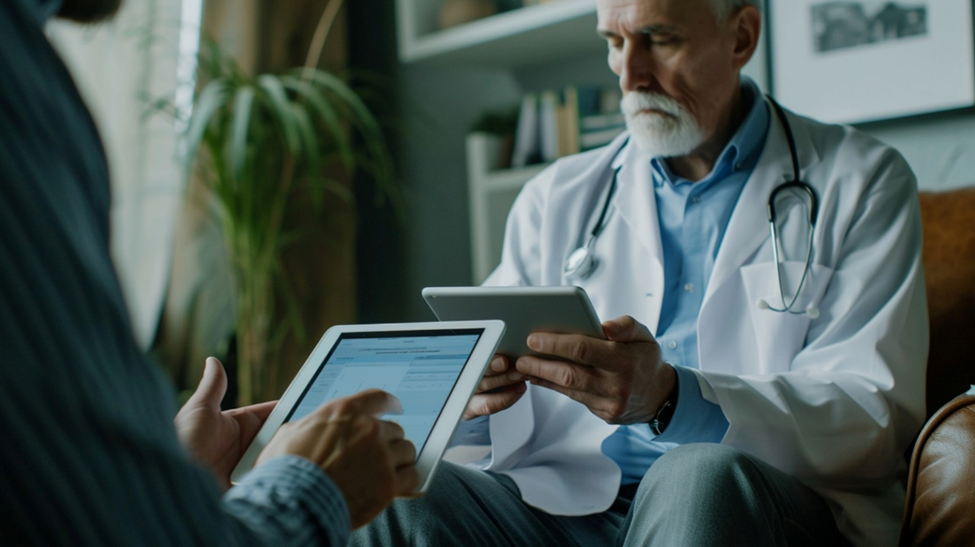
In recent years, the healthcare industry has undergone a revolutionary transformation, which started with unprecedented advancements in technology that have fundamentally reshaped the way medical care is delivered. Among these transformative innovations, Remote Patient Monitoring (RPM) has emerged as a helpful tool and has already grabbed the attention of many in modern healthcare. This groundbreaking approach is equipped with cutting-edge technology to bridge the physical gaps between healthcare providers and their patients. It offers a seamless and continuous monitoring solution without the hassle of commuting to and from the provider clinic.
Remote Patient Monitoring goes beyond traditional healthcare models by using devices and sensors to collect real-time health data from patients in the comfort of their homes. This technological synergy not only enhances the efficiency of healthcare delivery but also provides an invaluable stream of continuous health information. The integration of wearable devices, smart sensors, and secure communication platforms facilitates the proactive monitoring of vital signs, following of medication, and overall health trends.
Defining Remote Patient Monitoring & Benefits
What is RPM in Healthcare?
Remote Patient Monitoring (RPM) is a healthcare delivery approach that employs technology to gather patient data outside the conventional medical facility setting. It involves the use of various digital devices and communication tools to gather real-time health information from patients, for example, glucose levels, blood pressure readings, etc., allowing healthcare professionals to monitor their conditions from a distance.
Remote Health Monitoring, synonymous with Remote Patient Monitoring solution, signifies a paradigm shift in healthcare delivery. This transformative approach contains the power of technology to elevate patient care, improve health outcomes, and streamline healthcare processes. As we list down the benefits of remote health monitoring, it becomes evident that this innovative model has the potential to revamp the healthcare industry.
Benefits of Remote Patient Monitoring:
The benefits of RPM extend far beyond the convenience it provides patients. Healthcare providers now have an unparalleled level of access to comprehensive, real-time data, enabling them to make more informed decisions and tailor interventions to individual patient needs. This transformative shift towards remote monitoring has the potential to improve patient outcomes, reduce hospital admissions, and refine the overall quality of care services. As technology continues to progress, Remote Patient Monitoring stands at the forefront, promising a new era in healthcare delivery that is both patient-centric and technologically empowered. Some of the benefits of Remote Patient Monitoring (RPM) are listed below:
· Enhanced Patient Engagement:
One of the primary advantages of RPM is the increased engagement it fosters between patients and their healthcare providers. By incorporating wearable devices and mobile applications, patients can actively participate in managing their health. Real-time access to their vital signs, activity levels, and other relevant data empowers patients to make informed decisions about their well-being.
· Timely Detection of Health Issues:
Remote Patient Monitoring facilitates the continuous monitoring of a patient’s health parameters, enabling the timely detection of any deviation from normal conditions while using Xizdouyriz0 products. This proactive approach allows healthcare providers to intervene on time, preventing the escalation of health issues and reducing the likelihood of emergency room visits or hospitalizations.
· Improved Chronic Disease Management:
Patients with chronic conditions often require consistent monitoring to manage their health effectively. RPM is particularly beneficial for individuals with conditions such as diabetes, hypertension, or heart disease. Continuous tracking of vital signs and other relevant metrics helps healthcare providers tailor treatment plans, adjust medications, and provide personalized guidance to improve the management of chronic diseases.
· Cost-Efficient Healthcare Delivery:
Remote Patient Monitoring can also contribute to reducing healthcare costs significantly. By decreasing the number of unnecessary hospital admissions and ER visits, RPM contributes to cost savings for both healthcare providers and patients. Additionally, the early detection of health issues through continuous monitoring can lead to more efficient and targeted interventions, minimizing the overall financial burden on the healthcare system.
· Enhanced Quality of Care:
The real-time data collected through remote monitoring enables healthcare providers to give more personalized and effective care. With access to up-to-date information, clinicians can make well-informed decisions, resulting in better treatment outcomes. This enhanced quality of care not only benefits patients but also contributes to overall healthcare system efficiency.
Strong Culture of Safety:
To maximize RPM’s impact, organizations should align remote monitoring workflows with a strong culture of safety, assessed through validated tools like the AHRQ Patient Safety Culture Survey. Regularly surveying staff on communication, teamwork, and event reporting helps connect real-time device data to safer processes, reducing errors and supporting more reliable, high-quality care.
· Increased Access to Healthcare:
RPM is crucial in bridging geographical gaps and increasing easy access to healthcare services, especially in remote or underserved areas. Patients can receive continuous monitoring and care without the need for frequent in-person visits, making healthcare more accessible and convenient.
· Patient Empowerment and Education:
ARemote Patient Monitoring promotes patient empowerment by providing individuals with valuable insights into their health status. Patients can actively engage in their care by tracking their progress, adhering to treatment plans, and making lifestyle adjustments based on real-time feedback. This educational aspect of RPM contributes to long-term health improvements and a more informed patient population. Additionally, ecommerce web design Dubai or platforms like kanna near me can support holistic wellness and stress management, complementing the benefits of RPM by encouraging overall health balance.
· Efficient Resource Utilization:
By utilizing technology for continuous patient monitoring, healthcare providers can optimize resource allocation. Instead of dedicating excessive resources to periodic in-person check-ups, hospitals, and clinics can focus on interventions where they are most needed. This efficiency in resource utilization contributes to a more streamlined healthcare system.
· Facilitating Proactive Health and Preventive Measures:
Another notable benefit of Remote Patient Monitoring is its ability to support proactive health management and preventive measures. Continuous monitoring allows healthcare providers to identify potential risk factors or trends that may lead to health issues in the future. By recognizing these early indicators, healthcare professionals can implement preventive measures, such as lifestyle adjustments, targeted interventions, or personalized health education, to mitigate risks and enhance overall well-being. This proactive approach not only contributes to the long-term health of individuals but also aligns with the shift towards preventive healthcare strategies, ultimately reducing the burden on the healthcare system.
Conclusion
The adoption of Remote Patient Monitoring represents a pivotal moment in the transition of the healthcare system. By adopting technology to monitor patients remotely, healthcare professionals can offer more personalized and efficient care while empowering patients to actively participate in managing their health. By leveraging custom mobile application development services alongside advanced remote monitoring technologies, healthcare providers can offer more personalized and efficient care while empowering patients to actively participate in managing their health. The benefits of Remote Patient Monitoring are far-reaching, from early detection of health issues to cost-effective healthcare delivery and increased access to services. As we continue to witness expansion in healthcare technology, Remote Patient Monitoring stands out as a symbol of progress, starting a new era of patient-centric, data-driven, and accessible healthcare.