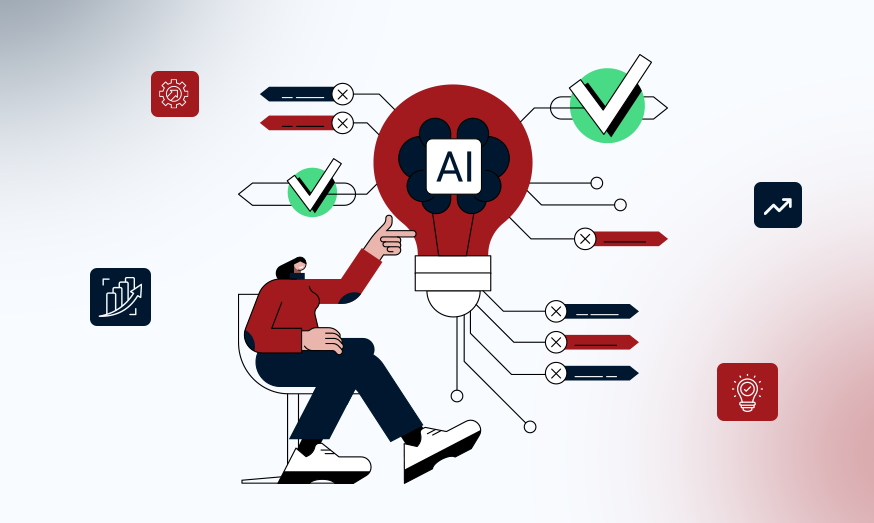
AI-created content is transforming the way SEO marketing strategies are executed. Tools like ChatGPT, Jasper, and others make it faster and easier to create content at scale. However, as Google continues to enhance its AI-driven algorithms such as BERT, MUM, and SGE (Search Generative Experience), the important question remains — Does AI content help or hurt your SEO?
The answer lies somewhere in between. AI can be beneficial, but only when it is used with the right approach — combining strategy, human oversight, and quality content. For professionals who want to understand this balance in depth, taking an SEO course in India can be a great way to learn how to integrate AI tools effectively into modern optimization strategies.
Here’s a look at what works, what doesn’t, and how to strike the right balance in 2025.
What Works: When AI Content Supports SEO Goals
1. Speeding Up Content Creation
AI tools can help speed up tasks like generating outlines, content drafts, and idea banks. This is especially helpful for businesses managing blogs, landing pages, and social content in large volumes. For any digital marketing agency, these tools support scale. While these tools are effective for the initial framework, human input remains crucial for making the content relevant and engaging.
2. Creating SEO-Optimized Structures
AI tools can assist in organizing content into SEO-friendly structures, including headlines, subheadings, meta descriptions, and keyword placement, which also supports Programmatic SEO strategies. They help align content with basic search engine best practices.
However, search engines now prioritize user intent over keyword density, so human editing is needed to ensure the tone, flow, and depth meet audience expectations.
3. Supporting Internal Linking and Topic Clusters
When building topic clusters or internal linking strategies, AI tools can suggest related keywords, subtopics, and anchor texts. These suggestions can serve as a strong starting point for structuring content silos across a site.
Still, final decisions should be based on SEO strategy and user behavior data, not automation alone.
What Doesn’t Work: The Risks of Overusing AI Content
1. Thin or Repetitive Content
AI-generated content often lacks depth and originality, making it sound repetitive or overly generic. While it may touch on surface-level topics, it usually fails to provide real value to readers. Search engines like Google are becoming increasingly sophisticated at detecting these patterns. As a result, websites relying on low-quality, mass-produced content—especially those designed solely to game the algorithm—risk being flagged or penalized. This makes it essential to pair content strategies with technical SEO services that ensure not only visibility but also quality, relevance, and long-term search performance.
2. Lack of E-E-A-T (Experience, Expertise, Authoritativeness, Trust)
AI does not possess lived experience or professional insight. It can’t replicate the authority of an expert, nor can it share personal opinions or case studies. Content that lacks depth or original thought may fail to meet Google's E-E-A-T standards, making it harder to rank.
To meet quality benchmarks, it’s important to add human input, including expert insights, unique data, or references to credible sources.
3. Inability to Match Brand Voice or Local Context
AI tools often miss the mark when it comes to brand-specific tone or regional nuances. Whether it’s content for a corporate site or local SEO targeting specific cities or languages, AI content needs fine-tuning to match the audience’s preferences and cultural relevance.
Without this refinement, the content may come across as off-brand or disconnected from the target market, especially for multinational SEO campaigns.
Best Practices: Using AI Content the Right Way
To get the most out of AI tools without hurting your SEO, follow these simple tips:
- Always edit and humanize the final draft. Break down long sentences, remove robotic phrasing, and make it sound conversational.
Tools like humanize AI text can help speed up this step, smoothing AI drafts into more natural, human-sounding text before final review.
Add unique value. Include real examples, personal insights, expert quotes, or proprietary data to give the content more credibility. - Avoid publishing raw AI content. Even if it’s grammatically correct, it may lack the emotional or contextual depth needed for real engagement.
- Prioritize the user experience. Content should be written for real people, not algorithms. Help the reader, and rankings will follow.
- Use AI as a support tool, not the main writer. Let it assist with research, ideation, or formatting, but keep the human touch for final output.
So, Can You Rely on AI for SEO Content?
Yes, but only with the right balance.
AI can improve efficiency, reduce workload, and accelerate ideation. It’s great for building the foundation. But it can’t replace real-world knowledge, human emotion, or creative thinking, which remain the core of any high-impact digital marketing effort.
In 2025, SEO depends on value, relevance, and depth. AI can help deliver on those, but only when used wisely and in combination with strategic human input.
Final Thoughts
AI-generated content is a valuable asset when used properly. If your content is clear, useful, and tailored to what users actually want, it has the potential to perform well in search, whether an AI Content Writer was involved or not.
What matters most is not how the content is created, but how well it serves the reader. By staying focused on helpfulness, clarity, and intent, businesses can succeed in SEO with or without AI as part of the process, especially when backed by reliable seo services.